How Electric Cars Perform in Winter (and How They Stack Up Against Hybrids & Gas Vehicles)
How Electric Cars Perform in Winter (and How They Stack Up Against Hybrids & Gas Vehicles)
When winter hits and temperatures drop, many drivers wonder: how do electric cars really behave in the cold — and are they better or worse than hybrids and gasoline/diesel vehicles?
As a pre-owned dealership in Sykesville, MD, Trust Auto sees all three types of vehicles year-round. In this guide, we’ll break down winter performance, pros, cons, and potential risks of EVs, hybrids, and gas/diesel cars — plus give you real examples from our inventory and practical tips to stay confident when the snow falls.

Electric Cars in Winter: Performance, Pros & Cons
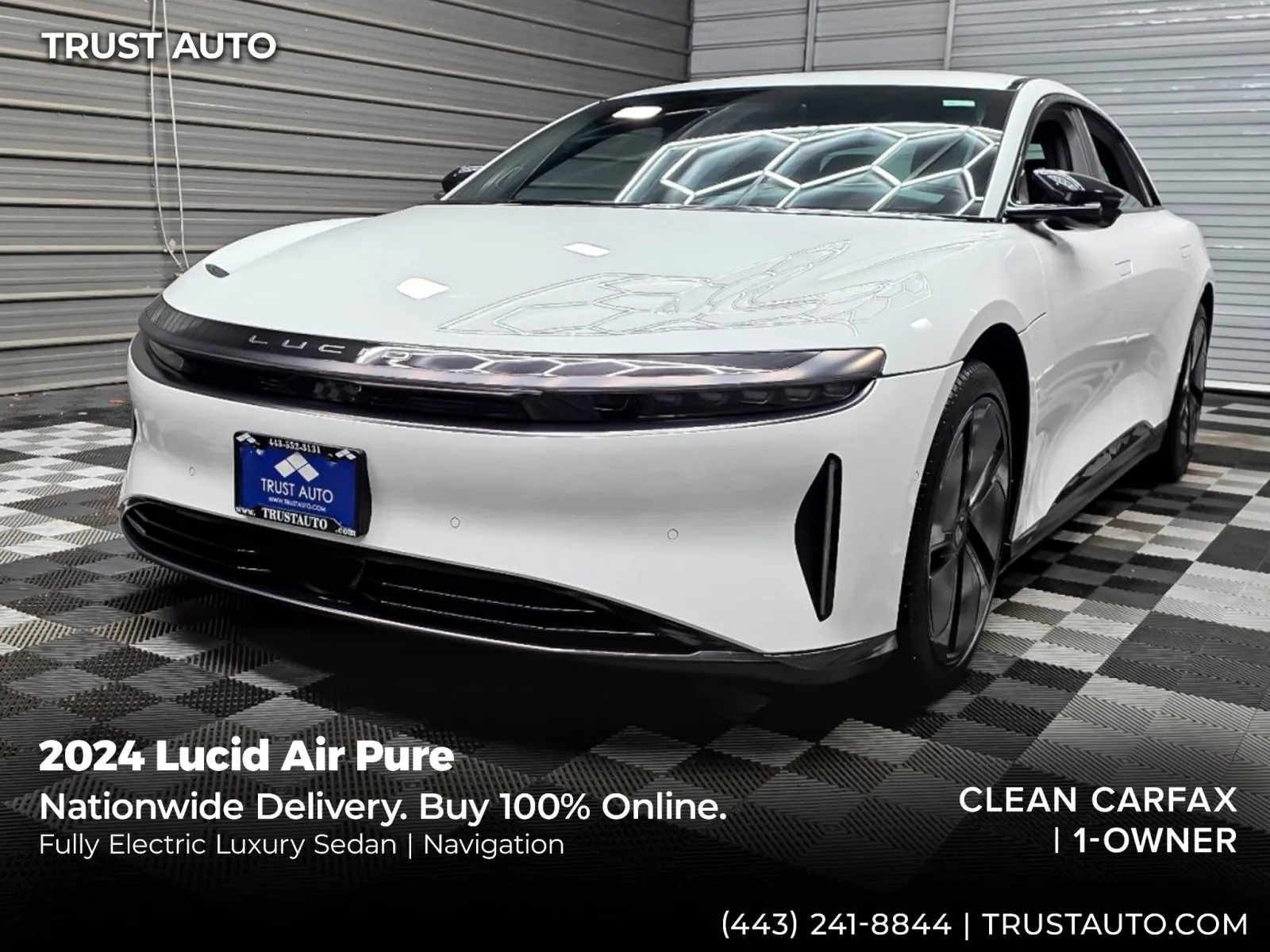
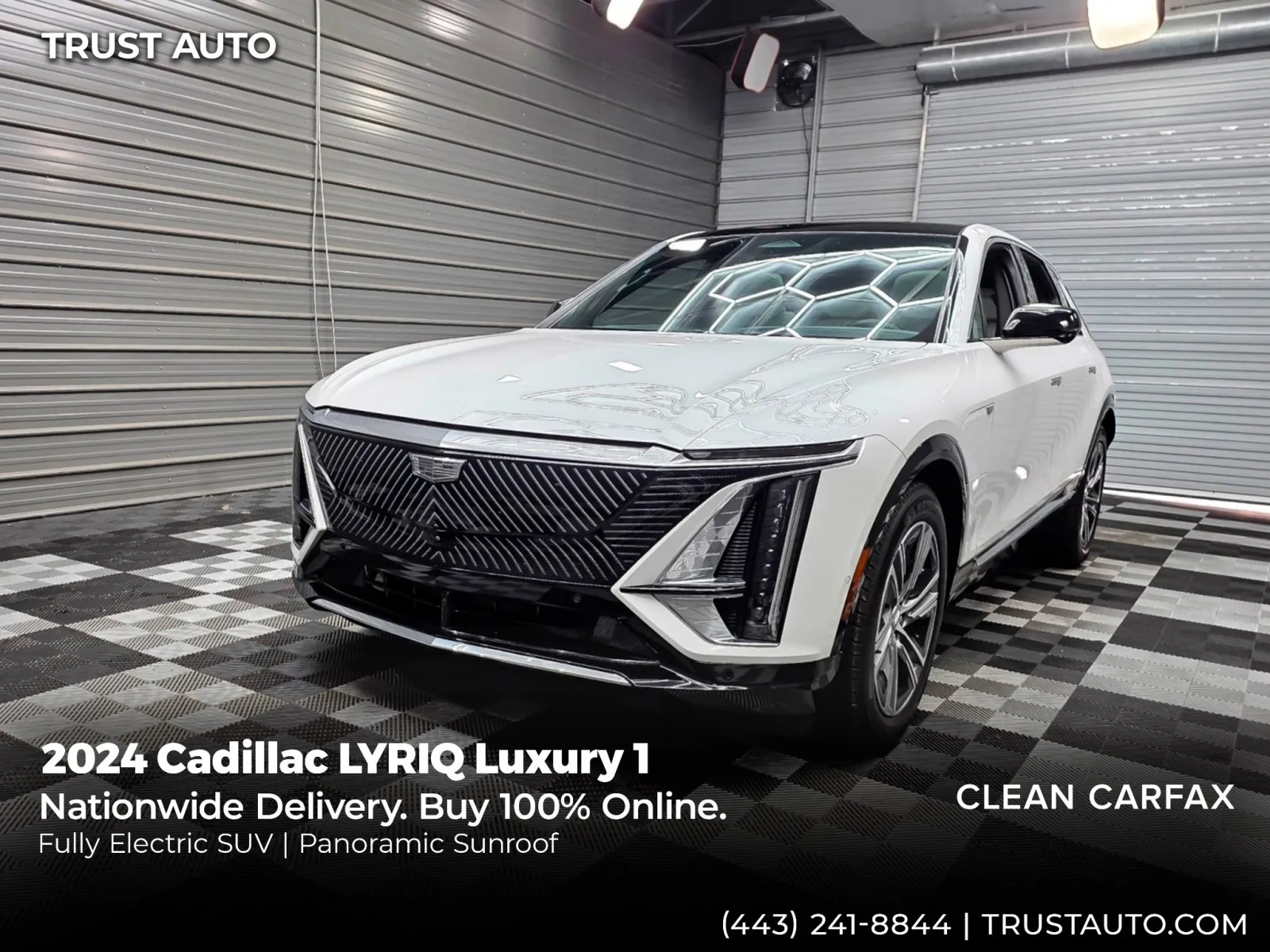
EVs are famous for efficiency and zero tailpipe emissions — but cold weather changes how they behave. The biggest factor is range loss: at around 20°F with the heater on, many electric vehicles can lose roughly 30–40% of their rated range because the battery chemistry slows down and more energy is spent on cabin and battery heating.
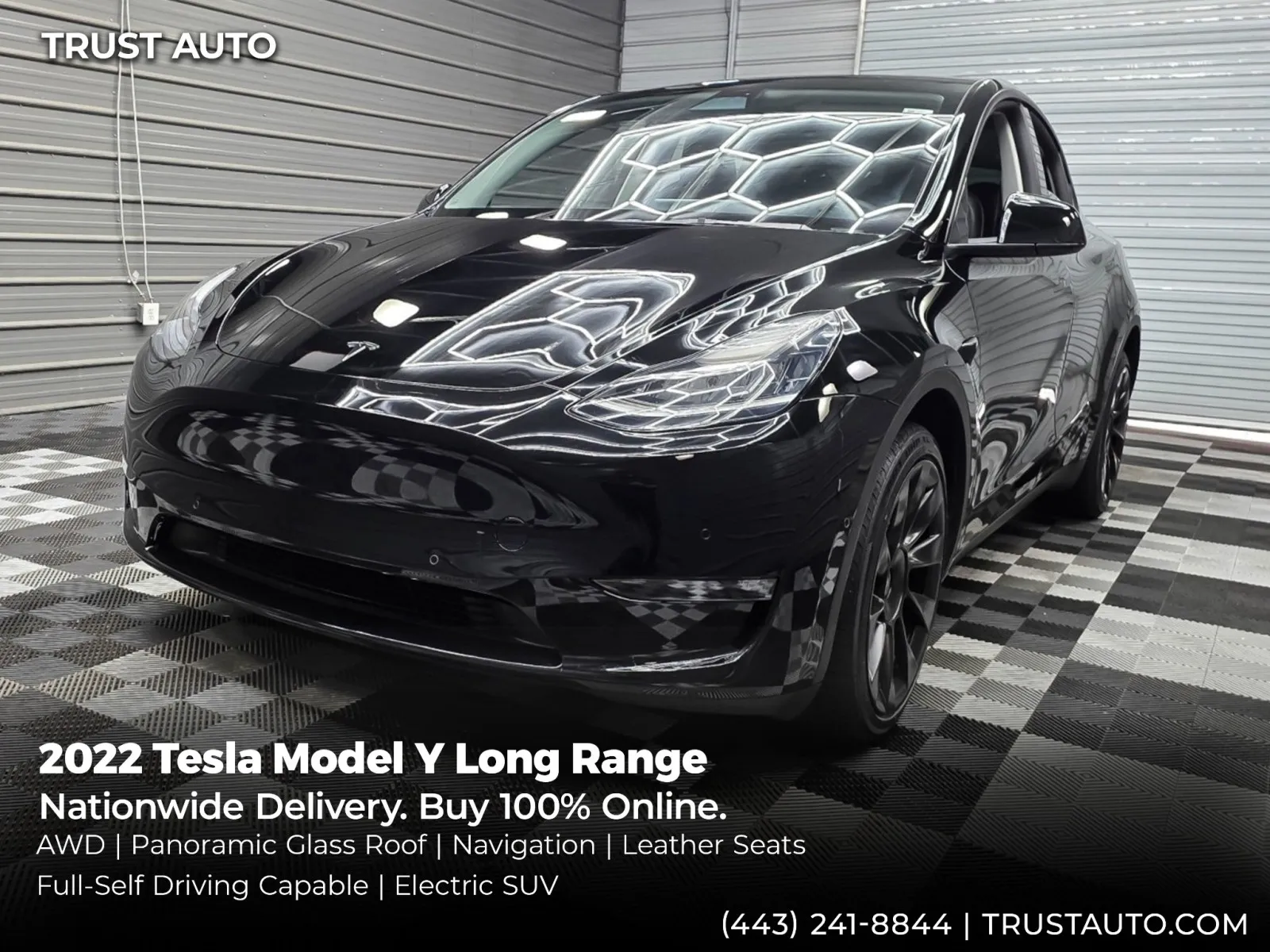
The good news? Modern EVs are engineered for winter with battery thermal management, heated cabins, and even heat pumps. With their heavy battery packs mounted low in the floor, many EVs feel very stable on snow and ice — especially all-wheel-drive models like Tesla Model Y, Ford Mustang Mach-E, Audi e-tron, and others.
Typical Winter Range Drop
A 250-mile EV might show only 150–190 winter miles, depending on speed, heater use, and outside temperature.
Snow & Ice Handling
The low center of gravity and precise traction control help EVs feel planted on slick roads — especially with AWD and winter tires.
When to Be Careful
Long winter road trips require extra planning: start with a full charge, precondition the battery, and plan fast-charging stops with buffer.
Pros of Electric Vehicles in Winter
1. Reliable Cold Starts
EVs don’t have engine oil that can thicken or a starter motor to crank. If the high-voltage battery has charge, you simply unplug and go — even on subzero mornings.
2. Low Center of Gravity & Handling
The heavy battery pack is mounted under the floor, which lowers the center of gravity. Electric SUVs like VW ID.4 or Nissan Ariya feel very composed on slick winter roads, especially with AWD.
3. Instant Heat & Preconditioning
You can preheat the cabin while plugged in using a phone app or remote start. You get into a warm car, with windows defrosted, and your battery is already at optimal temperature.
4. Smooth Power & Traction Control
Electric motors deliver instant but controllable torque. Advanced traction control can quickly adjust power to prevent wheelspin on ice, and regenerative braking helps with smooth, gentle stops.
5. No Tailpipe Emissions While “Idling”
Need to stay warm while parked or stuck in a snowstorm? An EV can heat the cabin with no exhaust fumes, which is safer for families and the environment.
Cons & Winter Risks for Electric Vehicles
1. Reduced Driving Range
In deep cold, an EV can lose 10–40% of range because energy goes to heating the pack and cabin. A 250-mile car might realistically have 150–190 winter miles.
2. Slower Fast Charging
Cold batteries charge more slowly. DC fast charging may be limited until the pack warms up, so winter road trips require extra time and planning.
3. More Energy Used for Heat
Unlike gas cars, there’s no “free” waste heat — all cabin warmth comes from the battery. High heat and frequent defrost can noticeably cut winter range, especially on short trips.
4. Risk of Running Low in a Storm
If you underestimate winter range or get stuck in traffic with a low battery, the car may prioritize keeping the battery warm over driving power. It’s safer to plan charging stops before ~20%.
✅ Best practice: start winter trips with a full charge, precondition the car while plugged in, use seat/steering-wheel heaters, and always run proper winter tires.
Hybrid Cars in Winter: How They Compare
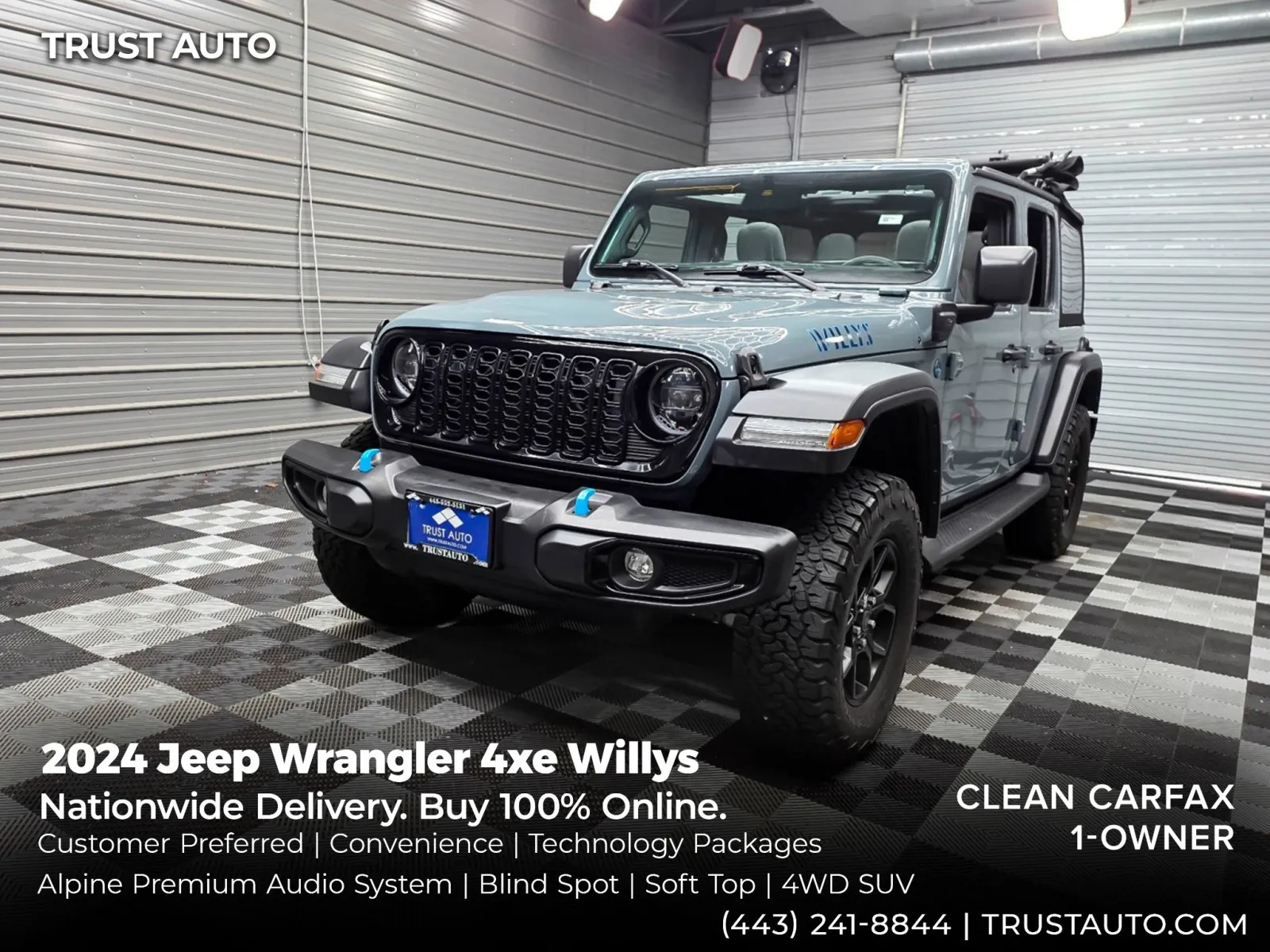
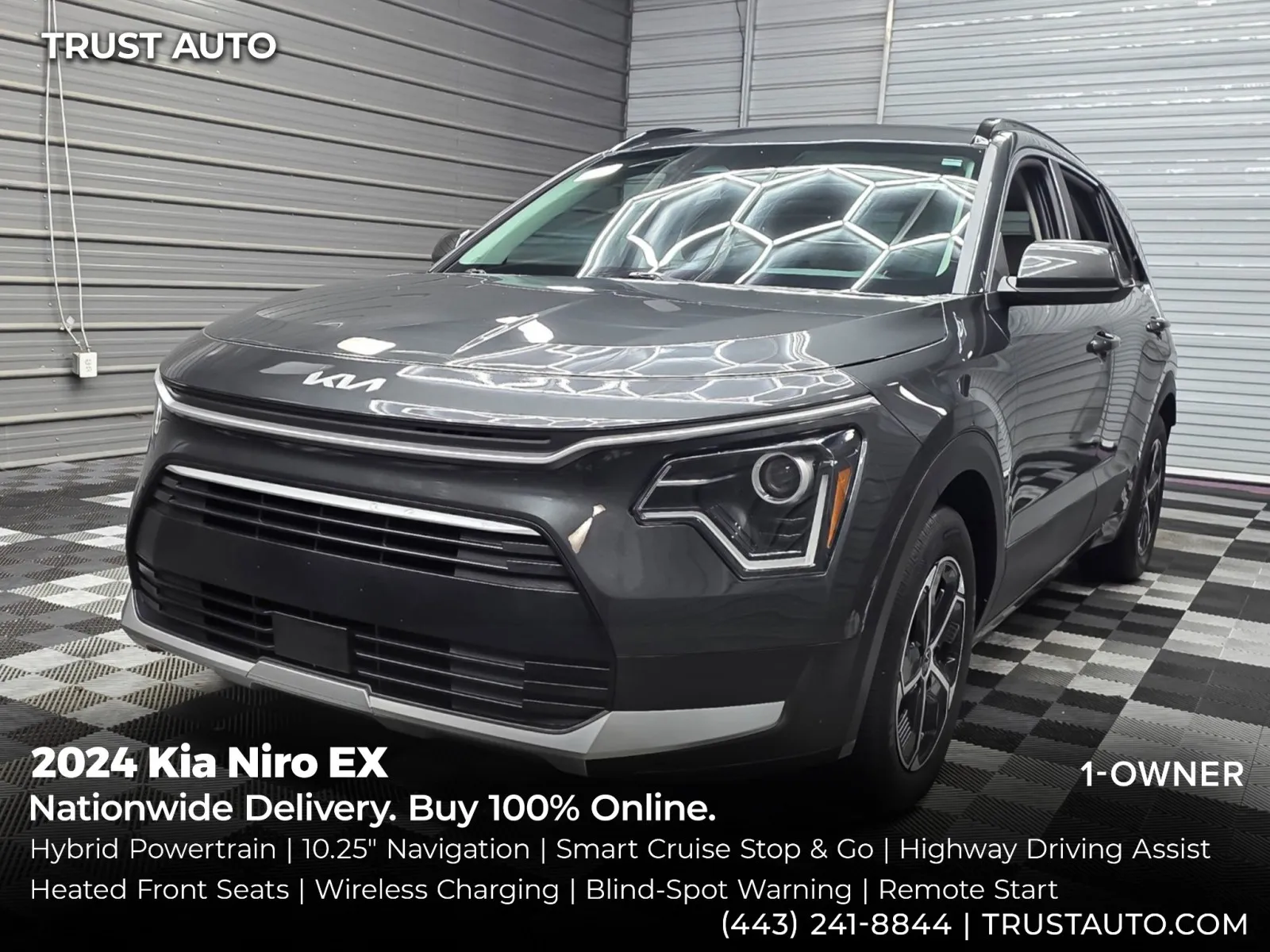
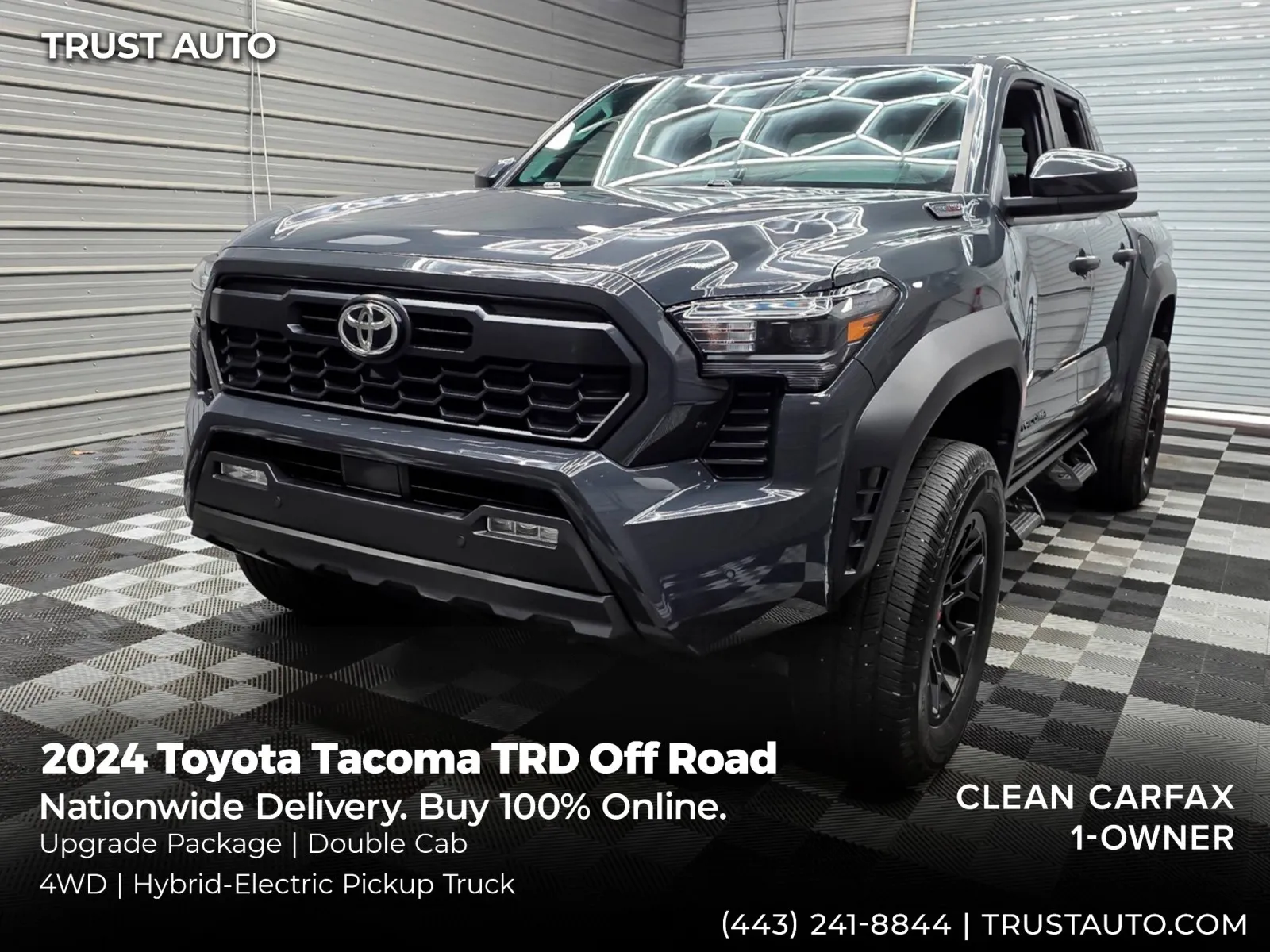
Hybrids (like Toyota Prius, Camry Hybrid, Kia Sportage Hybrid, or plug-in models such as Jeep Wrangler 4xe) blend a gasoline engine with an electric motor and battery. In winter, they perform very well because the gas engine is always there to back you up, even when the battery is cold.
Fuel economy still drops in the cold — often 20–40% lower city MPG on short, freezing trips — but hybrids usually remain more efficient than comparable gas-only vehicles. Think of hybrids as a middle ground between EV range planning and traditional gas convenience.
Pros of Hybrid Vehicles in Winter
1. Stable, Long Driving Range
- Gasoline engine always available — no range anxiety.
- If the battery is cold, the car simply behaves more like a regular gas car.
- Plug-in hybrids automatically switch to hybrid mode when EV range is used up.
2. Strong Cabin Heat & Comfort
- Uses engine coolant to heat and defrost the cabin.
- Heater use doesn’t dramatically hurt driving range.
- Great for drivers who want EV efficiency but traditional warmth.
3. Better MPG Than Gas Only
- Even in winter, hybrids usually beat non-hybrid MPG.
- Less fuel burned idling in traffic or at stoplights.
- Perfect for commuters who don’t have a home charger.

Where Hybrids Struggle in Winter
Reduced MPG & Electric Assist
On very short trips the engine may run almost constantly to stay warm and heat the cabin, so your hybrid might feel more like a regular gas car in January than in July.
More Components to Maintain
You still have all the usual engine maintenance (oil, spark plugs, etc.) plus a high-voltage battery and electric drive system to keep healthy over the long term.
PHEV Winter Range Limits
Plug-in hybrids may only deliver half of their advertised EV miles on freezing days with the heater on. After that, they simply run as a regular hybrid on gasoline.
✅ Real example: a Kia Sportage Hybrid AWD or similar SUV in our inventory offers electric assist for efficiency plus a gasoline engine and AWD for snow — a sweet spot for many Maryland families.
Gasoline & Diesel Cars in Winter
Conventional gas and diesel vehicles have been handling winters for decades. With modern fuel injection, synthetic oils, and winter-grade fuels, they’re still the default choice for many drivers — especially for towing, long highway runs, and heavy-duty work.
Key Advantages
- Fast, everywhere refueling — perfect for long winter trips.
- Plenty of strong cabin heat after warm-up.
- Smaller percentage range loss vs. EVs.
- Huge variety of AWD/4x4 SUVs and trucks.
Key Drawbacks
- Lower winter MPG and higher fuel bills.
- Cold-start engine wear and risk of dead 12V batteries.
- Diesel fuel can “gel” if not winter-blended or treated.
- Tailpipe emissions and carbon-monoxide risk while idling.
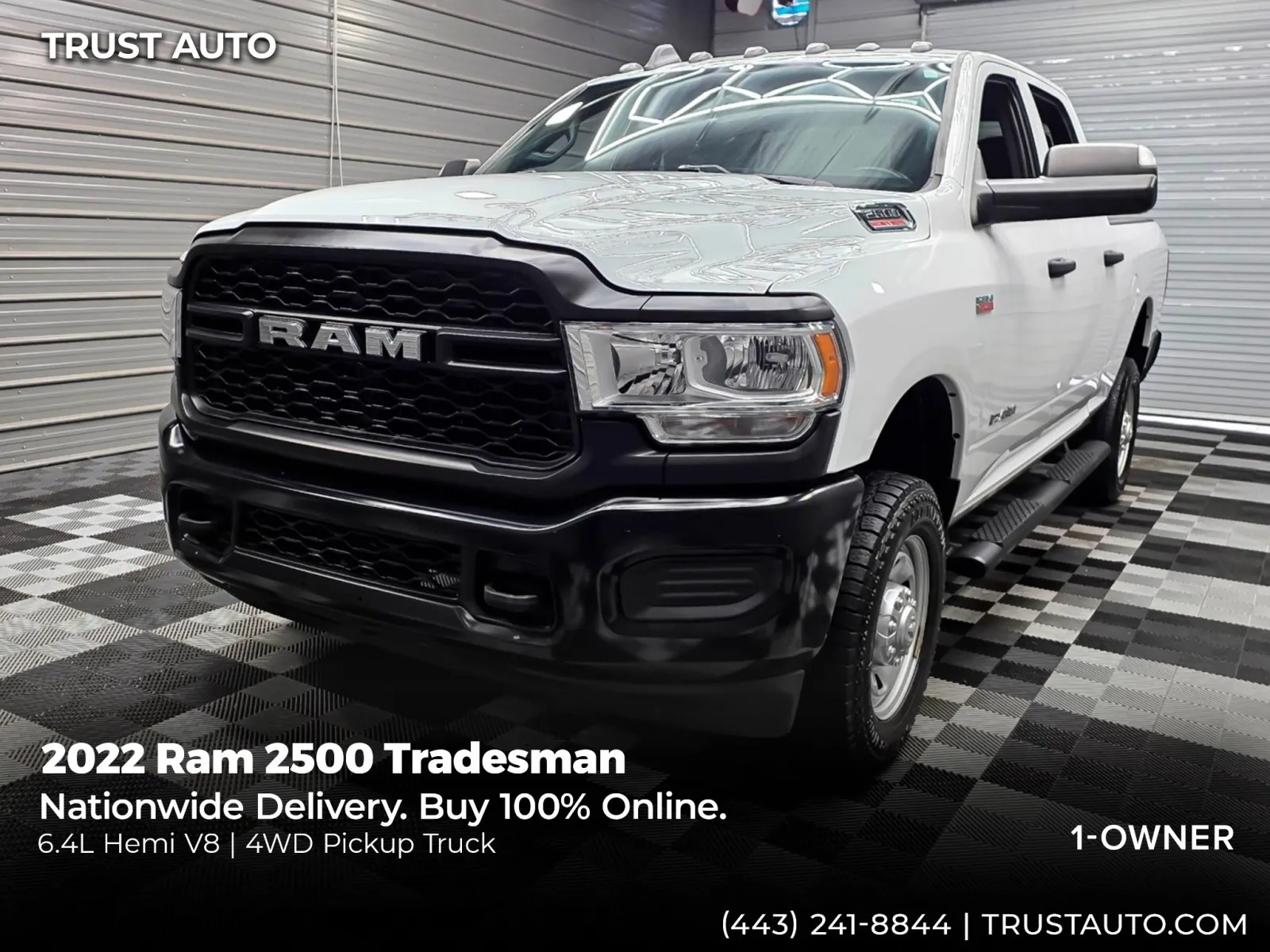
In our showroom you’ll find winter-ready options like Jeep Grand Cherokee 4x4 or Ford F-250 Super Duty diesel — ideal if you need towing, plowing, or rural back-road capability.
Electric vs Hybrid vs Gas: Which Fits Your Winter Driving?
When does an electric car make the most sense?
If you have home or workplace charging, daily driving under ~150–200 miles, and want low running costs and emissions, an EV can be fantastic — even with winter range loss. Just plan longer trips around fast chargers and precondition the car in the cold.
When is a hybrid or plug-in hybrid the smarter choice?
If you want great MPG but aren’t ready to rely on public charging, a hybrid is an ideal middle ground. Plug-in hybrids let you do short errands on electricity, but still drive hundreds of miles on gas during winter road trips.
Who should stick with a gas or diesel vehicle?
If you tow, drive long distances through rural areas, or need a heavy-duty truck or SUV for work, a gas or diesel vehicle may still be the best tool — especially with 4x4 and higher ground clearance for deep snow.
Do tires and preparation matter more than the powertrain?
Yes. Whatever you drive, a good set of winter or all-weather tires, fresh wiper blades, proper fluids, and smart driving habits will do more for safety than the badge on the trunk.
Ready for a Winter-Ready Ride in Sykesville, MD?
Whether you’re leaning toward an electric car, a hybrid, or a gas/diesel SUV or truck, Trust Auto can help you find the right fit for Maryland winters — serving drivers from Baltimore, Washington, D.C., Pennsylvania, and West Virginia.
Visit us at 1551 W Old Liberty Road, Sykesville, MD 21784 or call (443) 552-3131 to talk with a specialist about winter performance, tires, and financing.
Browse Winter-Ready Inventory Ask Us Which Powertrain Fits You